Old Print: A Vintage-Inspired Display Font
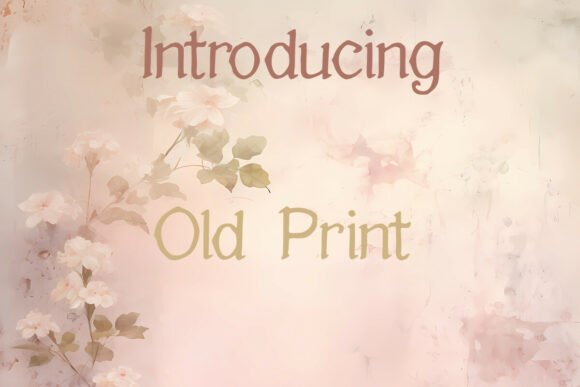
When I first laid eyes on Old Print, it immediately transported me to a bygone era. The letters have a distinct, almost nostalgic quality that evokes the charm of old-time print shops and classic typography. This font is not just a typeface; it's a visual personality that speaks volumes about the project it's used in.
Aesthetic and Visual Personality
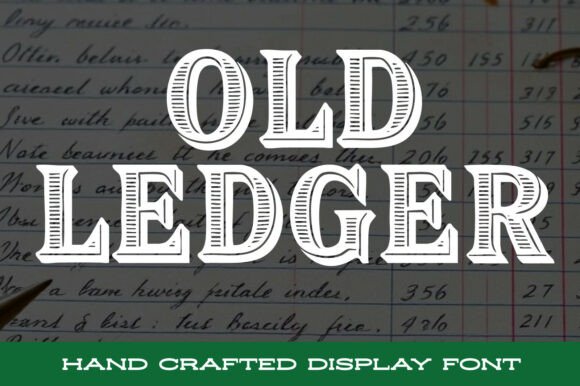
Old Print has a rugged, handcrafted feel that makes it perfect for projects aiming to capture a vintage or artisanal vibe. The slightly irregular edges and subtle imperfections give it a human touch, making it ideal for brands that want to convey authenticity and craftsmanship.
Ideal for Branding and Packaging
In the world of branding, Old Print can be a powerful tool. Its unique character makes it stand out, especially in logo design and brand identity. Imagine a craft brewery, a local bakery, or a boutique clothing store—Old Print can help these businesses create a memorable and distinctive look. For packaging design, it adds a premium, hand-made feel that can elevate the perceived value of the product.
Performance in Real-Life Projects
Let's dive into how Old Print performs in various real-life design scenarios:
- Logo Design: The bold, distinctive style of Old Print makes it a strong candidate for logos, especially for brands with a heritage or artisanal focus.
- Packaging Design: Use Old Print for labels and packaging to add a touch of vintage charm and a sense of quality and care.
- Product Labels: Whether it's for a line of organic soaps or gourmet condiments, Old Print can make your product labels stand out on the shelf.
- Posters and Flyers: The font's large, eye-catching letters are perfect for headlines and short, impactful messages on posters and flyers.
- Invitations and Stationery: Old Print brings a touch of elegance and nostalgia to wedding invitations, event announcements, and other stationery items.
- Merchandise: T-shirts, mugs, and other merchandise featuring Old Print can appeal to those who appreciate a classic, handcrafted aesthetic.
- Website Headers and Blog Graphics: Use Old Print sparingly in web design, such as in headers or as a decorative accent, to maintain readability while adding a unique flair.
- Social Media Graphics: Old Print can be a great choice for social media posts, especially when you want to catch the eye with a short, impactful message.
- Editorial Design: In magazines or books, Old Print can be used for section titles, pull quotes, and other elements where a bit of personality is needed.
Where to Use Old Print Carefully
While Old Print is versatile, it's important to use it judiciously. Here are some areas where it should be used carefully:
- Large Headlines and Short Phrases: Old Print shines in large, bold applications like headlines and short, impactful phrases.
- Brand Marks and Decorative Accents: Use it for brand marks, decorative elements, and accents to add a touch of character without overwhelming the design.
- Premium Packaging and Social Posts: It’s perfect for high-end, premium packaging and social media posts where a unique, handcrafted feel is desired.
- Supporting Text: Be cautious with using Old Print for long blocks of text. Its decorative nature can make it less readable in smaller sizes and longer passages.
Practical Designer Notes
Here are some practical tips to keep in mind when using Old Print:
- Test in Black and White: Before applying color, test Old Print in black and white to ensure its legibility and overall impact.
- Check Small-Size Readability: Make sure the font remains readable at smaller sizes, especially if you plan to use it in detailed packaging or fine print.
- Try on Real Mockups: Place Old Print on real mockups to see how it looks in context. This will help you gauge its effectiveness in the final design.
- Compare Uppercase and Lowercase: Experiment with both uppercase and lowercase to see which version best suits your project. Sometimes, one works better than the other depending on the context.
- Review Spacing: Adjust the spacing (kerning and tracking) to ensure the letters flow well and the overall look is balanced.
- Test Beside Other Fonts: See how Old Print pairs with different types of fonts, such as serif, sans serif, script, and handwritten styles. This can help you create a harmonious and professional look.
- Confirm Commercial Licensing: Always check the licensing terms before using Old Print in client or business projects. Ensure you have the right to use it commercially.
Old Print is a font that can add a lot of character and personality to your designs. By using it thoughtfully and in the right contexts, you can create visually engaging and memorable projects that resonate with your audience.